.svg)
.svg)
Profit, Cash Flow and Balance Sheet: Three Views of Your Business

Your accountant says the business is profitable, yet you are checking the bank balance before every payment. The numbers can both be correct. Profit, cash movements and the resources tied up in your business answer different questions.
A useful management review connects those questions. Looking only at sales or the cash balance can leave an owner with an incomplete picture.
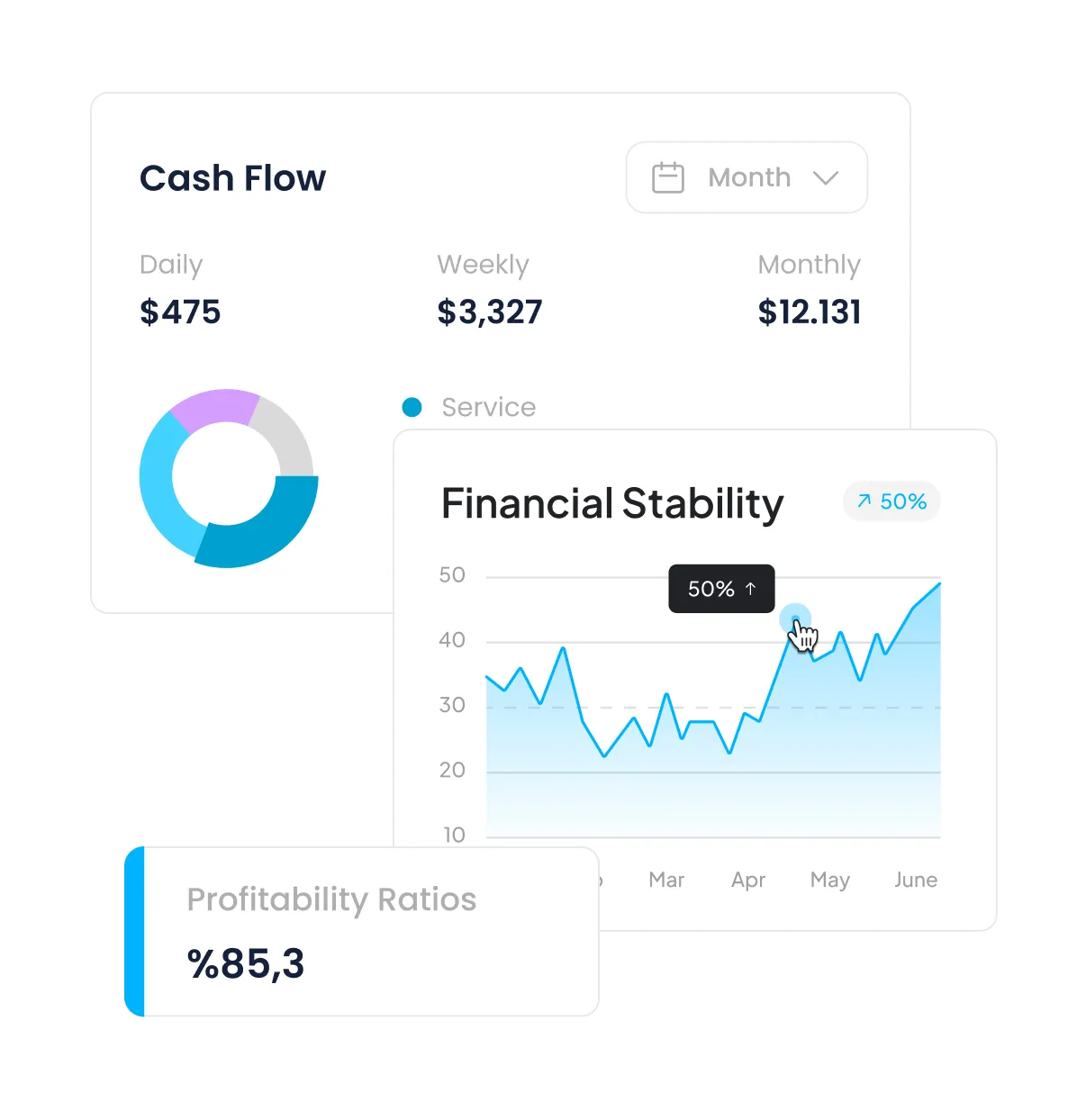
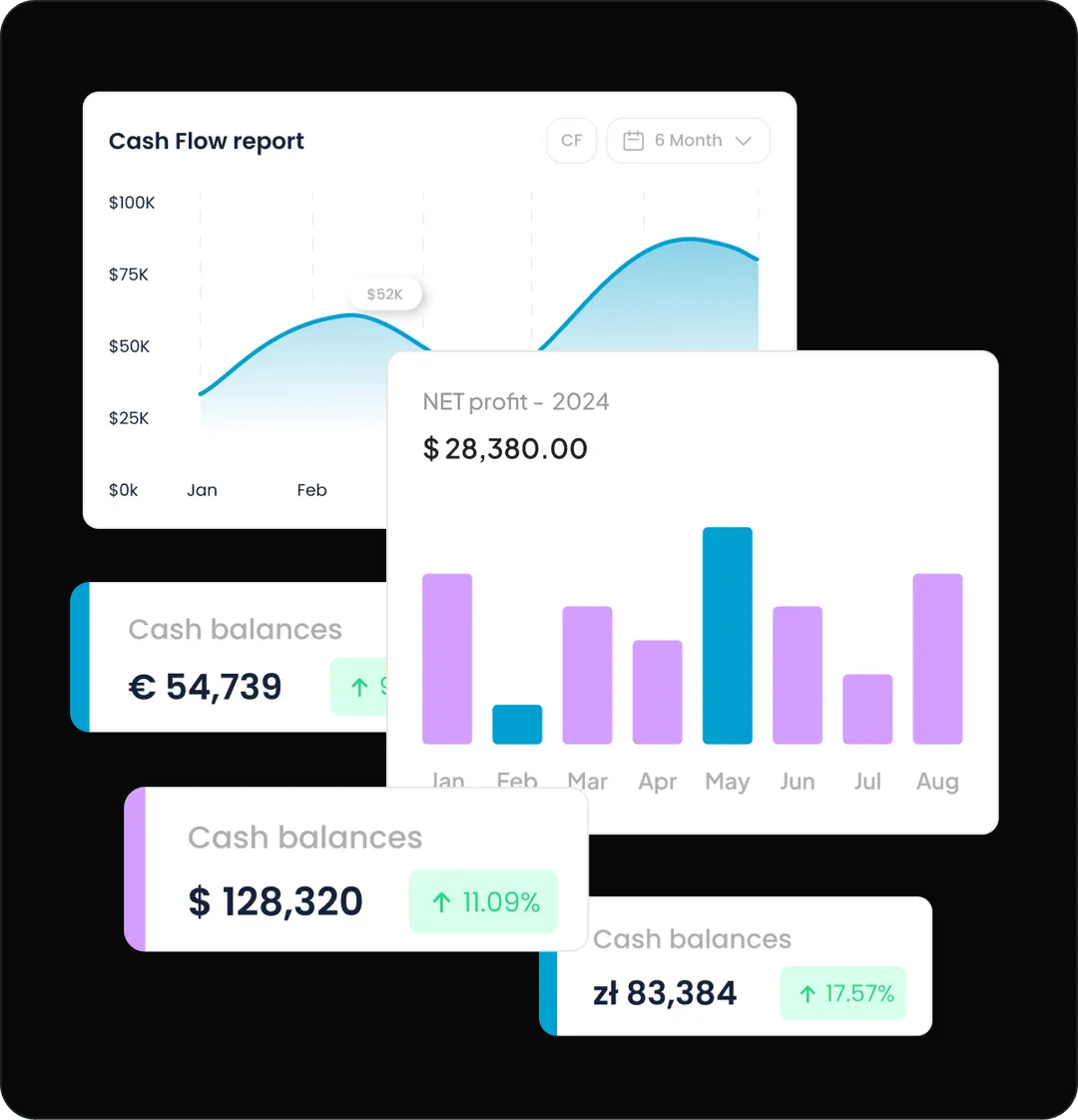
The profit and loss statement shows revenue, expenses and the resulting profit or loss over a period. The cash flow statement shows cash movements over a period. The balance sheet shows assets, liabilities and equity at a particular date. These distinctions are explained in the SEC's introductory guide to financial statements.
For management discussions, turn each report into a question: are our activities profitable, where did cash move, and what do we own or owe? Use the same reporting date and consistent accounting policies when comparing them.
Consider an illustrative service project with €20,000 of revenue recognised after delivery and €12,000 of related expenses recognised in the same period. Before other expenses and taxes, the contribution to the period's result is €8,000.
Now suppose the customer pays next month while the €12,000 has already left the bank. The current period can show a positive result from the project alongside a negative cash movement. The unpaid customer amount appears as a receivable. This simplified example assumes accrual accounting; actual recognition depends on the applicable accounting framework and contract.
Instead of discussing every account line, prepare a one-page list of questions and supporting detail:
A €10,000 increase in cash from a loan should not be celebrated as an improvement in trading performance. Equally, a planned equipment purchase may explain a cash reduction without meaning that the current service offering is unprofitable.
Keep the reporting period, entity, currency and data refresh date visible. Give unfamiliar movements a brief explanation. If an account is still being reconciled, flag it so that a provisional figure is not presented as final.
Agree who prepares each report, who reviews it and which decisions belong in the meeting. A recurring review is easier to sustain when its output is a small action list rather than a collection of unexplained charts.
For example, a hiring decision may need a view of profitability, expected customer collections and the cash forecast. No single report supplies all three. Ask what information would change the decision, then make that information part of the reporting routine.
Explore Finance Therapy's financial reporting tools if your reports are currently disconnected or require repeated manual work. Book a call to discuss the questions your reporting should answer.
We not only develop our products, but also help with financial management:


Explore our latest insights, trends, and expert tips to optimize your business finances
Leave a request and our team will find the best financial automation solution for you!